Finance News

Welcome to our blog, where we share clear, practical insights on cryptocurrency and digital finance to help you understand the fast-moving world of digital currency with confidence.

Tax Basics For Crypto In The UK – Record-Keeping And Common Mistakes

A lot of people think crypto tax only kicks in when you turn it back into pounds in your bank account. That’s not true, and it’s one of the most common (and costly) mistakes out there. If you buy, sell, swap, or earn crypto in the UK, HMRC has rules for it — and those rules are only getting stricter. Here’s the simple version of what you need to know.

Read More »

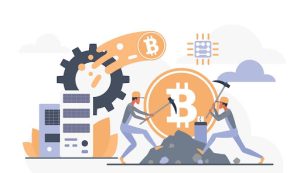
Crypto And Energy – The Facts About Mining And Sustainability

If you’ve spent any time in crypto circles, you’ve heard the line: “Bitcoin is boiling the oceans.” You’ve probably also heard the rebuttal: “Actually, mining is greener than you think.” Both camps throw around numbers, and both are usually cherry-picking. So let’s slow down and look at what’s actually going on — how crypto mining uses energy, why it’s controversial, what’s genuinely improving, and what it means for you as a trader or someone just trying to understand this space.

Read More »

What Is On-Chain Data, And What Can It Tell You?

On-chain data is information recorded directly on a blockchain (like Bitcoin or Ethereum). Because blockchains are public ledgers, this data lets you see what’s happening on the network itself—not just what the price is doing on exchanges.

Read More »

The Difference Between Coins And Tokens, With Real Examples

If you are new to crypto, one of the first terms you will hear is the difference between coins and tokens. People often use them as if they mean the same thing. They do not.
Understanding the difference matters because it helps you judge what you are buying, what problem a project is trying to solve, and how risky it may be.

Read More »

The Basics – What Cryptocurrency Is And Why It Matters In 2026

Cryptocurrency is digital money secured by cryptography that can be sent directly between people, without a bank sitting in the middle of every transaction.
Coins (like Bitcoin) typically run on their own blockchains, while tokens (like many assets on Ethereum, Solana, and other networks) live on top of an existing blockchain.

Read More »